
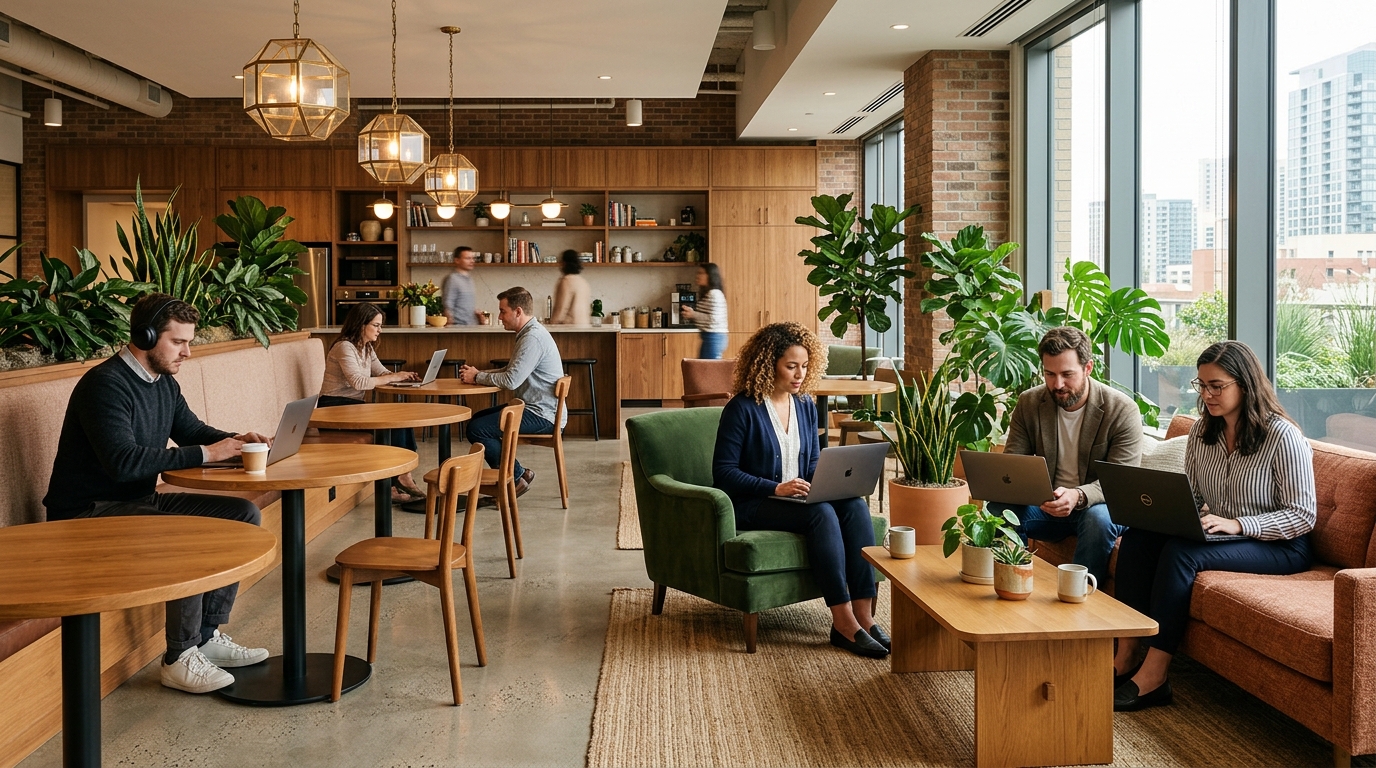
Hospitality-inspired office furniture is becoming one of the most practical workplace design trends in 2026 because people expect more from the office than a desk, chair, and meeting room. Hybrid work changed the purpose of the workplace. If employees can complete focused tasks from home, the office needs to offer something more useful, more comfortable, and more connected.
That is where hospitality-inspired design comes in. Instead of making the office feel cold, fixed, and purely corporate, this approach borrows ideas from hotels, cafés, lounges, libraries, and comfortable public spaces. The goal is not to turn every office into a restaurant or luxury lobby. The goal is to make workspaces feel more welcoming, easier to use, and better matched to how people actually work.
For businesses, this matters because the office now has to earn attention. Employees want spaces that support focus, collaboration, informal conversation, breaks, and client meetings. Home office users want rooms that feel calm and professional without looking sterile. Small businesses want spaces that make a strong first impression without wasting square footage.
Hospitality-inspired office furniture can help solve those problems. Soft seating, café tables, warm materials, layered lighting, flexible lounge zones, and better reception furniture can make a workspace feel more human. Done well, the office becomes a place people want to use, not just a place they are required to visit.
Why Hospitality-Inspired Office Furniture Is Trending in 2026
Hospitality-inspired office furniture is trending because workplace expectations have changed. People no longer see the office as the only place where work happens. Many workers now move between home, office, coworking spaces, client sites, and mobile setups. Because of that, a plain desk farm is no longer enough.
Modern offices need to support different reasons for being there. Some people come in for collaboration. Others come for mentorship, team culture, access to tools, client meetings, or a clear separation between home and work. Furniture needs to support those moments. A rigid layout filled with identical desks can feel outdated because it treats every worker and every task the same.
This connects naturally with Flexible Office Furniture for Hybrid Work. A hospitality-inspired workspace should still stay flexible. The office can feel warmer and more comfortable while still supporting real work, meetings, video calls, and focus time.
Offices now need to earn the commute
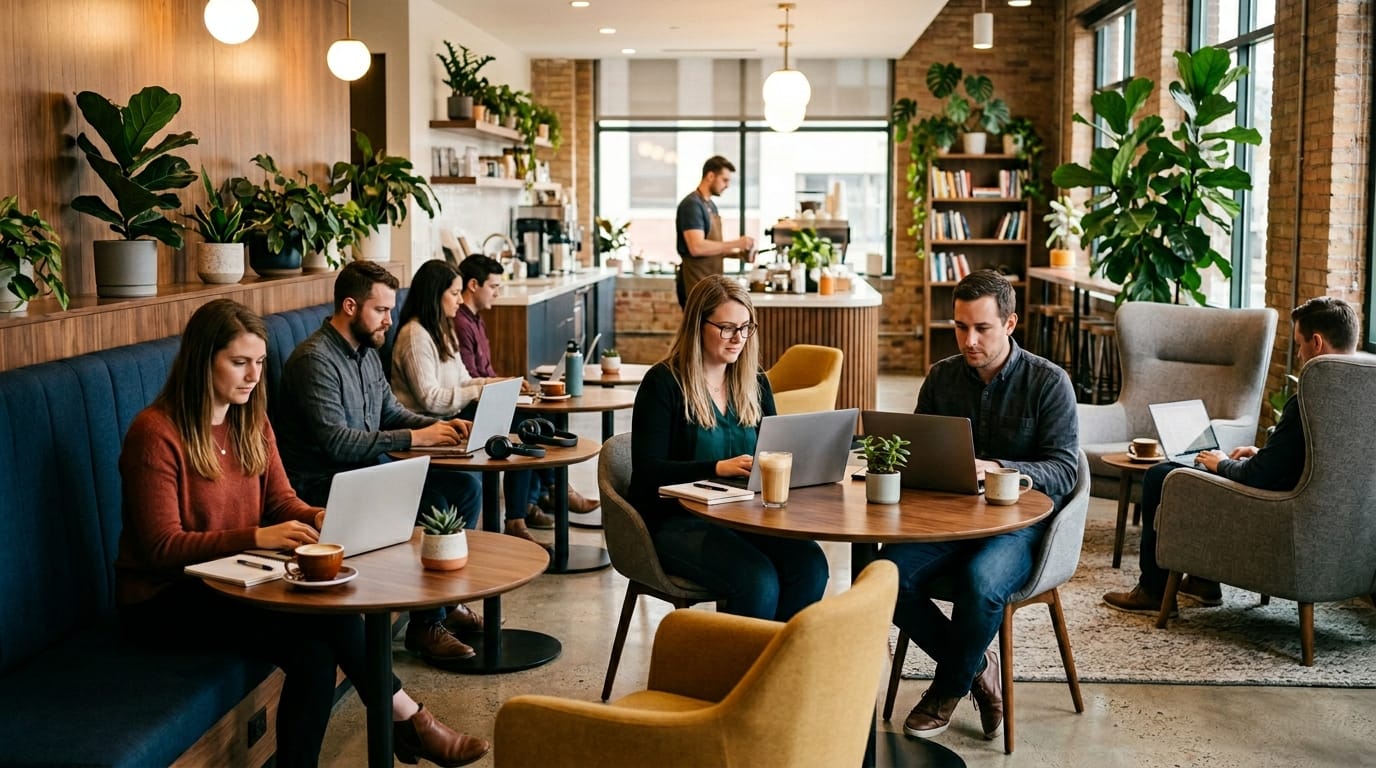
When people travel to the office, they want the trip to feel worthwhile. That does not mean every workplace needs expensive finishes. It means the space should offer value that is hard to recreate at home. This could include easier collaboration, better meeting areas, stronger social connection, professional client spaces, or comfortable zones for informal work.
Hospitality-inspired furniture helps because it creates choices. Not every task belongs at a traditional desk. A quick one-on-one conversation may work better at a small café table. A relaxed team discussion may feel better in a soft seating area. A visitor may feel more comfortable in a reception lounge than standing beside a high counter.
The office becomes more useful when it offers different settings for different work modes. This does not replace ergonomic desks and task chairs. It adds supporting spaces that make the workday feel smoother.
Café seating and lounge zones create softer transitions
Café seating gives employees and visitors a place to pause, talk, read, review notes, or work briefly without using a formal meeting room. Small round tables, comfortable chairs, banquettes, counter-height surfaces, and laptop-friendly seating can make these zones practical.
Lounge zones can also support informal work, but they need careful planning. A sofa with no table, poor lighting, and no power access may look good in photos but fail in daily use. Better lounge furniture should include nearby side tables, charging access, supportive seating, and enough privacy to reduce distraction.
Reception areas can work like welcome zones
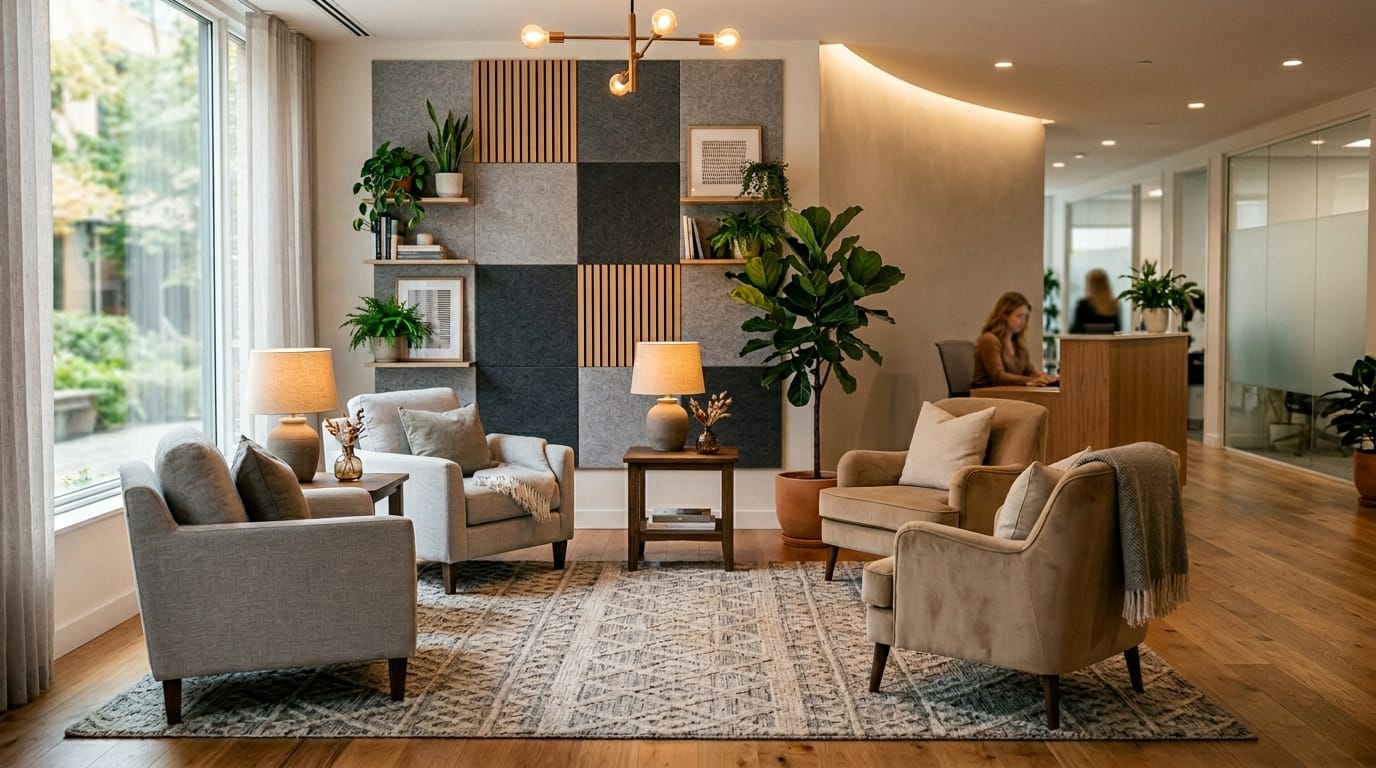
The reception area is often the first physical impression of a business. In 2026, more offices are moving away from purely transactional reception desks and toward welcome zones. These spaces may include lounge chairs, soft lighting, plants, side tables, branded details, and comfortable waiting areas.
A welcome zone should still feel professional. The goal is not to make visitors feel like they walked into someone’s living room. The goal is to create a calm, clear, and polished entry experience. A comfortable guest chair, a clean table for bags or documents, and better lighting can change the entire mood of the space.
Comfort must still support real work
Hospitality-inspired office furniture should never mean choosing style over function. A chair can look beautiful and still fail if it causes back pain after twenty minutes. A lounge can feel warm and still become useless if employees cannot plug in devices, write notes, or hear each other clearly.
The best approach is to combine comfort with work performance. Choose seating that supports the body. Add tables at usable heights. Make sure lighting supports reading and screen work. Include acoustic control where conversations happen. Create clear pathways so furniture does not block movement.
For deeper comfort planning, connect this approach with Ergonomic Office Chair Setup. Hospitality-inspired spaces may feel softer than traditional office areas, but ergonomics still matters if people use them for work.
Choose durable pieces that feel residential but perform commercially
One common mistake is buying furniture that looks cozy but cannot handle office use. Residential furniture may work in a home office, but business spaces often need stronger materials, stain-resistant fabrics, commercial-grade frames, and easy-clean surfaces. A chair that looks good on day one should still look professional after daily use.
Durability matters in shared spaces. Café chairs move often. Lounge seating gets used by different people all day. Reception furniture must handle visitors, bags, coats, coffee, and long waits. Choose materials that balance warmth with maintenance. Performance fabrics, quality upholstery, solid tables, and replaceable parts can make the investment last longer.
How to Build a Hospitality-Inspired Workspace Without Overdesigning It
You do not need a full renovation to use hospitality-inspired office furniture. The smarter approach is to start with the areas where comfort, connection, or first impressions matter most. For many offices, that means reception, breakout spaces, meeting-adjacent zones, underused corners, or team café areas. For home offices, it may mean one better chair, warmer lighting, smarter storage, and a small guest or reading corner.
Start by asking how people actually use the space. Where do quick conversations happen? Where do visitors wait? Which meeting rooms are always full? Where do employees go when they need a short reset? Which areas feel cold, noisy, or uncomfortable? These answers help you choose furniture that solves real problems.
A hospitality-inspired workspace should also work with other office trends, not compete against them. For example, plants and natural materials can soften a lounge zone. This connects well with Biophilic Office Design in 2026. Acoustic panels, rugs, curtains, and upholstered furniture can also reduce harsh sound, which connects with Acoustic Office Solutions 2026.
Start with zones, materials, and daily behavior
A good hospitality-inspired office usually starts with zoning. Create a welcome zone for visitors, a café-style zone for casual work, a lounge zone for informal meetings, and a quiet corner for reading or reset time. Not every office needs all of these. Small spaces can combine zones carefully.
Materials also shape the feeling of the office. Warm wood tones, textured fabrics, soft rugs, plants, matte finishes, and layered lighting can make a space feel less harsh. However, these choices should still match the brand and the type of work being done. A law office, creative studio, wellness clinic, and tech startup may all use hospitality-inspired furniture differently.
Daily behavior matters most. Furniture only works if people understand how to use the space. If a lounge becomes a storage area, it fails. The café zone has no power access, and people avoid it. If the welcome area has uncomfortable chairs, visitors notice. Good design supports the real habits of the people using it.
Keep the look warm, but keep the layout practical
Warmth should not create clutter. A hospitality-inspired workspace still needs clear movement, enough desk space, accessible storage, and simple cleaning. Avoid adding too many chairs, side tables, décor pieces, or oversized sofas just because they look inviting. Too much furniture can make the office harder to use.
Use flexible pieces where possible. Lightweight chairs, moveable tables, modular sofas, rolling storage, and portable dividers can help the space shift as needs change. This connects with Modular Office Furniture in 2026, because warm and welcoming spaces should still adapt to changing work patterns.
Lighting can complete the experience. Overhead lighting alone often makes offices feel flat or harsh. Layered lighting, task lamps, wall lights, pendant lights, and access to natural light can make hospitality-inspired areas feel more comfortable. A workspace that looks warm but feels dim or glary will not support productivity for long.
For a wider look at where workplace design is heading, Gensler’s 2026 workplace trend coverage highlights hospitality-inspired cafés, social hubs, and nature retreats as examples of offices becoming more wellness-focused and interactive. You can read more from Gensler’s 2026 workplace trends.
Hospitality-inspired office furniture is not about copying hotels or cafés. It is about borrowing the best parts of those spaces: comfort, welcome, atmosphere, and ease. In a workplace, those qualities need to support productivity, focus, collaboration, and professional use.
The best 2026 offices will not be defined only by how modern they look. They will be judged by how well they support people throughout the day. A warm reception area, a useful café zone, a calm lounge, and comfortable informal seating can make the office feel more valuable.
Start small. Fix the spaces people already use. Choose furniture that feels welcoming but still performs. Add warmth without sacrificing ergonomics. Build zones that help people focus, connect, pause, and return to work with more energy. That is the real value of hospitality-inspired office furniture in 2026.