
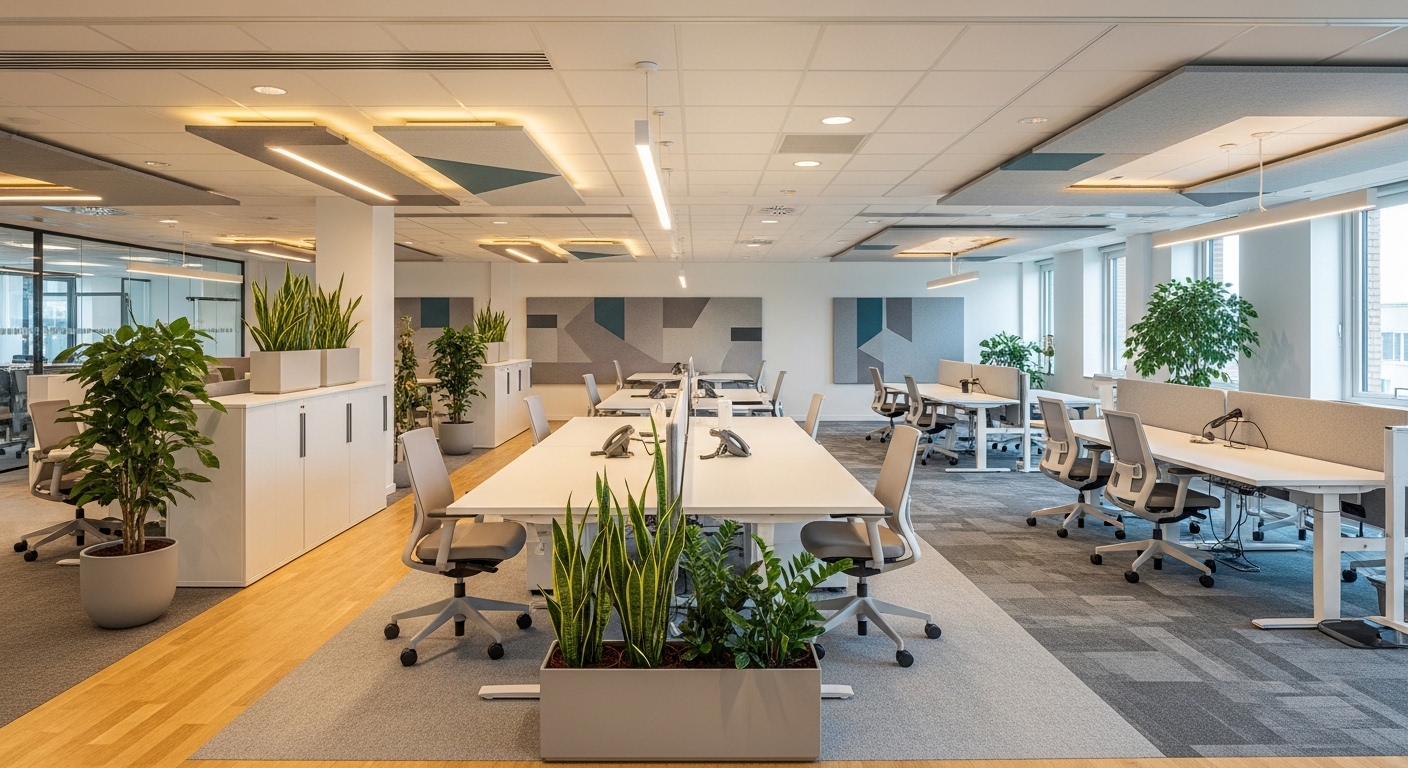
Flexible office furniture is becoming one of the most important workplace upgrades for hybrid work because the old fixed-desk office no longer fits how many people actually work. Teams now move between home, office, meetings, video calls, focus sessions, and collaboration days. A workspace that stays locked into one layout can quickly become frustrating, noisy, underused, or uncomfortable.
The modern office needs to do more than provide chairs and desks. It needs to support different work modes throughout the day. One person may need quiet concentration in the morning, a quick team meeting before lunch, and a video call in the afternoon. Another person may visit the office only twice a week and need a clean, simple workstation that is easy to use immediately. This is where flexible office furniture becomes valuable.
Instead of treating furniture as permanent infrastructure, businesses and home office users are starting to see it as a system. Desks, chairs, screens, storage, tables, and soft seating should be easy to move, adjust, or repurpose. That does not mean every office has to look like a startup lounge. It means the furniture should match real work behavior instead of forcing people into outdated layouts.
For Compulsive Painball readers, this topic connects naturally with ergonomics, office wellness, acoustic comfort, and smarter home office planning. A beautiful workspace is not enough if it cannot adapt. The best setups are comfortable, practical, and flexible enough to support the way people work now.
Why Flexible Office Furniture Matters More in Hybrid Work
Hybrid work has changed the purpose of the office. In the past, many offices were designed around one person, one desk, and one daily routine. That model is much weaker now. Some employees come in for team days. Some need quiet work zones. Some want meeting spaces that are easy to use. Others need temporary desks with good monitor placement, charging access, and ergonomic seating.
A fixed layout can waste space because it assumes every person uses the office in the same way every day. Flexible furniture gives the workspace more range. It allows a room to shift from individual work to group discussion, from training session to project sprint, or from open collaboration to quiet focus without needing a full renovation.
Hybrid Offices Need More Than Rows of Desks
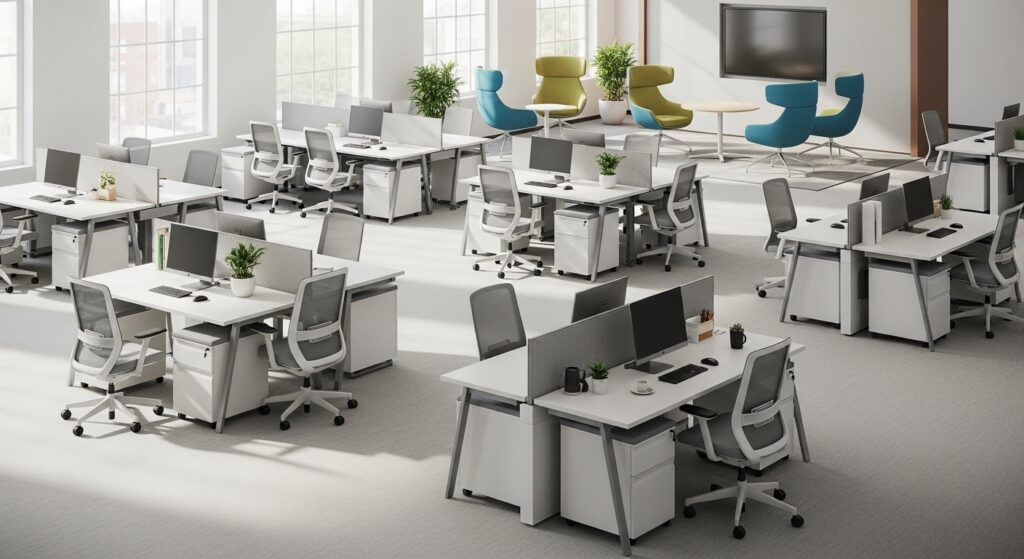
Rows of identical desks may look organized, but they often fail in hybrid workplaces. When fewer people are in the office, large desk areas can feel empty and lifeless. When more people arrive for meetings, the same layout can feel crowded and noisy. A better approach is to create zones that serve different needs.
A flexible office may include shared workstations, focus corners, small meeting tables, soft seating areas, storage walls, phone booths, and movable dividers. The goal is not to add furniture everywhere. The goal is to give people choices. Some tasks need silence. Some need conversation. Some need technology. Some need comfort.
This connects well with your existing post on acoustic office solutions in 2026. Flexible layouts only work well when sound is managed properly. Without acoustic planning, movable spaces can quickly become distracting.
Furniture Should Match Daily Work Patterns
Before buying new furniture, look at how the space is actually used. Which desks sit empty? Where do people take calls? Which areas become noisy? Where do employees naturally gather? These answers are more useful than copying a showroom layout.
If people keep moving chairs into corners for quiet calls, the office may need better focus zones. If teams keep pulling tables together, modular meeting furniture may be a smarter investment. If workers avoid certain desks, the problem may be lighting, noise, monitor height, or poor chair comfort. Flexible design starts by observing real behavior.
Modular Layouts Make Small Offices Work Harder
Small offices benefit strongly from flexible office furniture because every square foot needs to earn its place. A large fixed conference table may only be useful once or twice a week. A modular table system can support meetings, training, solo work, and temporary project layouts. Rolling storage can act as a divider. Lightweight chairs can move between workstations and breakout areas.
The same idea applies to home offices. A compact desk, adjustable chair, mobile storage unit, and foldable side table can create more options without overcrowding the room. If you work from home part-time, you may not need a huge executive setup. You may need furniture that supports work during the day and blends back into the home afterward.
Movable Pieces Can Reduce Renovation Costs
One of the biggest advantages of modular furniture is that it can improve a workspace without major construction. Instead of building permanent walls, you can use acoustic dividers, shelving, planters, mobile whiteboards, or privacy screens. Instead of replacing every desk, you can upgrade key workstations and add flexible support pieces.
This is helpful for companies that are still figuring out their hybrid schedule. It is risky to spend heavily on a fixed layout when attendance patterns may change. Movable furniture gives the office room to evolve. It also makes future updates easier because the layout is not locked into one decision.
How to Choose Flexible Office Furniture That Actually Works
The best flexible furniture is not only easy to move. It must also be comfortable, durable, and simple to use. If a chair is lightweight but uncomfortable, people will avoid it. If a desk is adjustable but unstable, it will frustrate users. If movable furniture looks good but creates clutter, the office will feel messy instead of flexible.
Start with the essentials: ergonomic seating, practical desk surfaces, smart storage, good cable control, and enough privacy for focus work. Then add modular pieces that support specific needs. A flexible office should feel intentional, not temporary.
Start With Ergonomics Before Style
Flexibility should never come at the cost of comfort. A hybrid desk still needs proper height, enough depth for a monitor, and space for a keyboard and mouse. A shared chair still needs adjustment options. A compact workstation still needs lighting, power access, and room for healthy posture.
Your guide on ergonomic office chair setup is a useful internal link here because flexible workstations are only effective when people can adjust them properly. A shared desk is not truly flexible if every user ends up with neck pain or shoulder strain.
Choose Desks That Can Support Different Tasks
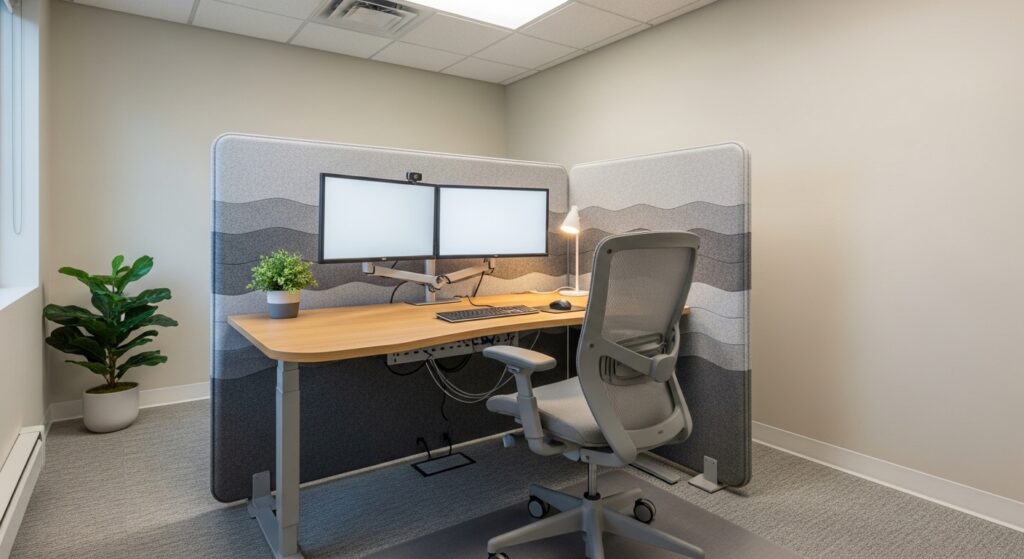
Desks should match the kind of work being done. For focus work, users need enough depth for screens and documents. For collaboration, tables should allow laptops, notebooks, and conversation without feeling cramped. For creative work, larger surfaces may be useful. For occasional use, compact desks or shared touchdown stations may be enough.
If you are comparing desk styles, your post on top office desk styles can help readers understand which shapes and formats suit different workspaces. This internal link supports readers who want to move from planning into product research.
Use Storage, Screens, and Lighting to Keep Flexibility Organized
Flexible offices can become chaotic if storage is ignored. Every movable item needs a place to return to. Shared workstations need clean surfaces. Project materials need storage. Cables need management. Without these details, the space may feel unfinished.
Privacy screens, mobile pedestals, shelving, and acoustic panels can create structure without making the office feel rigid. Lighting matters too. A modular layout should still have enough task lighting and balanced brightness so people do not fight glare or shadows. Readers building a tech-heavy workspace can also visit your guide on AI-ready home office setup in 2026.
For broader workplace research, readers can review Gensler’s Global Workplace Survey 2026, which discusses workplace experience factors such as flexible furniture, noise, and changing office expectations.
In the end, flexible office furniture is not just a design trend. It is a practical response to the way people work now. Fixed desks, rigid layouts, and one-size-fits-all office planning are losing value because hybrid work requires more choice. A better workspace gives people places to focus, meet, call, think, and reset.
The smartest upgrade is not always the most expensive one. Start by studying how the space is used, then choose furniture that can adapt without sacrificing comfort. Add ergonomic chairs, movable desks, acoustic support, smart storage, and lighting that supports different tasks. When those pieces work together, the office becomes easier to use, easier to change, and better prepared for the future of work.