
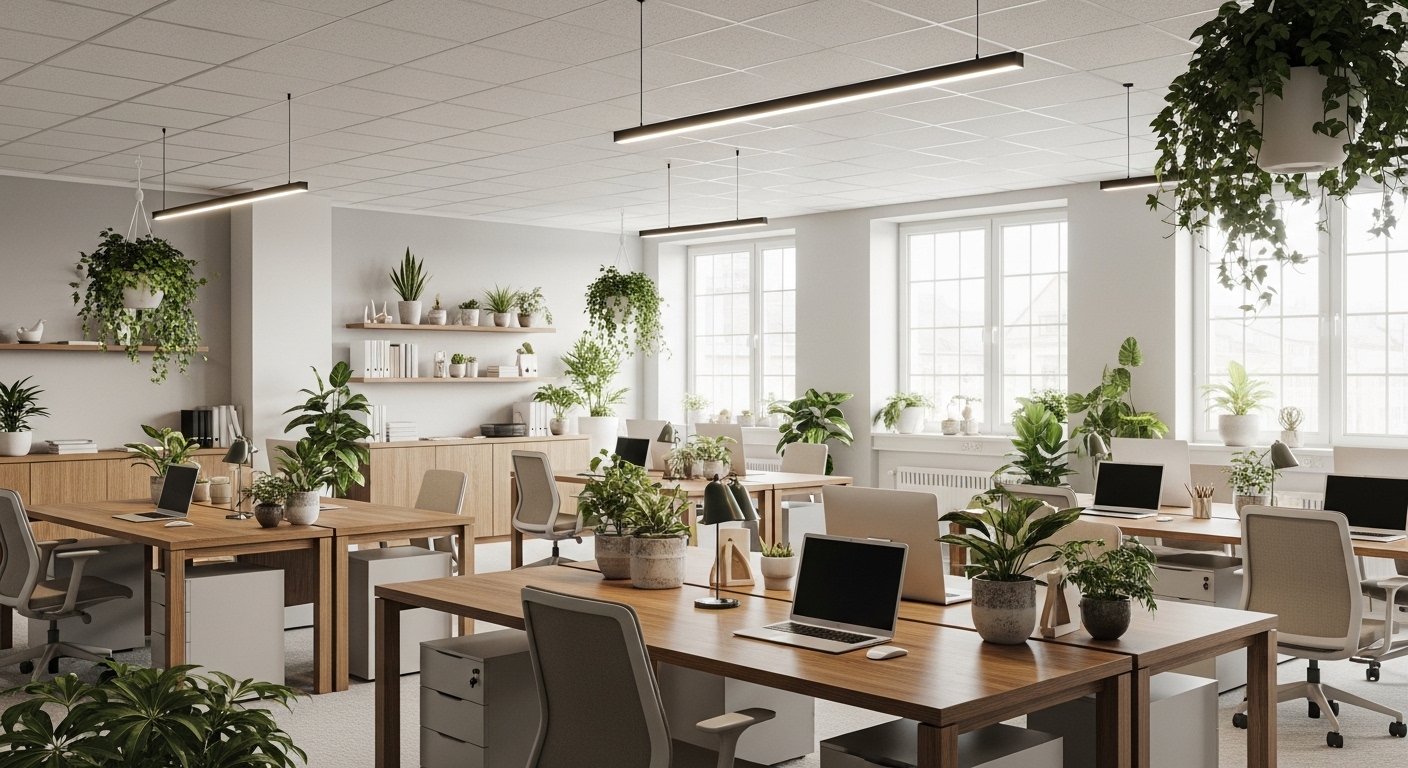
Biophilic office design is becoming one of the strongest workplace trends in 2026 because people no longer want offices that only look modern. They want spaces that feel calmer, healthier, and easier to work in for long hours. Whether you are setting up a home office, upgrading a small workspace, or improving a corporate environment, natural design choices can make the room feel more human and less stressful.
The idea behind biophilic design is simple: bring elements of nature into the workspace in a practical way. That does not mean filling every corner with plants or turning the office into a greenhouse. A better approach uses natural light, wood textures, indoor greenery, soft colors, breathable layouts, and furniture that supports comfort. When done properly, the office feels warmer, quieter, and more focused without becoming overly decorative.
This matters because many workspaces are still built around hard surfaces, harsh lighting, visual clutter, and furniture that looks good in photos but feels tiring after several hours. A beautiful desk is not enough if the room creates eye strain, noise, discomfort, or mental fatigue. Biophilic office design works best when it supports both the body and the mind.
For Compulsive Painball readers, this topic fits naturally with existing workspace advice. If you already care about ergonomic chairs, better lighting, acoustic comfort, and smarter desk setups, biophilic design gives you one bigger framework for connecting those choices together. It is not just a style trend. It is a practical way to make an office feel better every day.
Why Biophilic Office Design Is Trending in 2026
Workplace design is moving away from cold, purely functional layouts. Companies and home office users are asking a more direct question: does this space help people work well, feel comfortable, and stay focused? That question is pushing biophilic design into the spotlight because natural materials and calmer layouts can make a workspace feel less draining.
Hybrid work has also changed expectations. People compare the office with the comfort of home, while home office users want setups that feel professional without feeling sterile. A nature-inspired workspace can bridge that gap. It gives a room structure and productivity, but it also adds warmth and softness that make the space easier to use for long periods.
Natural Elements Help Offices Feel Less Harsh
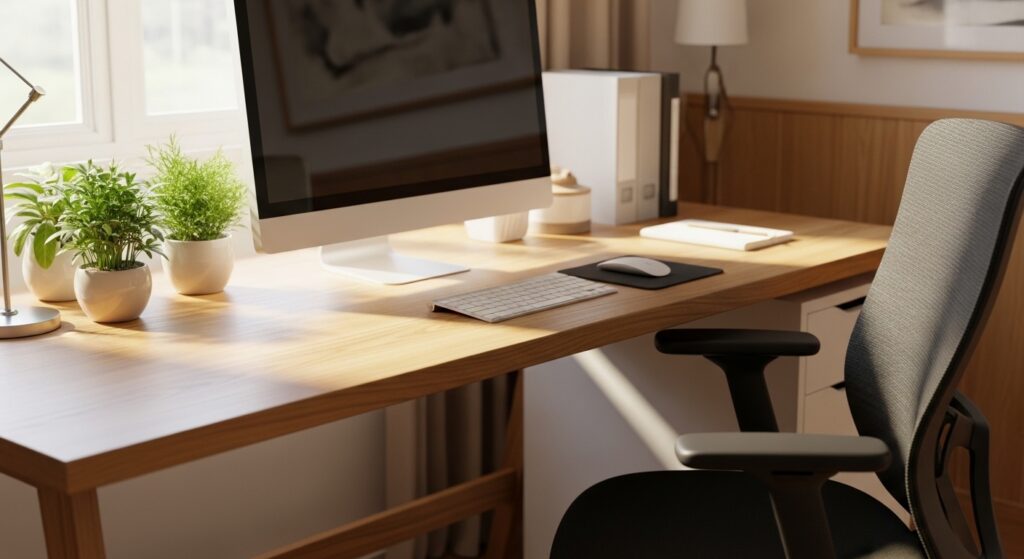
Many offices feel tiring because they are full of sharp light, reflective surfaces, plain walls, and constant visual noise. Biophilic design softens that environment. Wood finishes, textured fabrics, plants, natural colors, and daylight can make the room feel more balanced. The goal is not luxury for the sake of luxury. The goal is a workspace that feels easier to enter, easier to stay in, and easier to focus inside.
Start with the biggest stress points. If the room feels flat and artificial, improve lighting and materials. If it feels noisy, add soft surfaces and acoustic support. If it feels visually busy, reduce clutter and use calmer storage. Your existing guide on acoustic office solutions in 2026 connects well here because sound control is a major part of making a natural-feeling office work in real life.
Plants Should Support The Space, Not Overcrowd It
Plants are the most obvious biophilic design feature, but they should be used with control. A few healthy plants can make a desk, shelf, or meeting corner feel more relaxed. Too many plants can create clutter, maintenance issues, and a messy look. The better approach is to place greenery where it softens the space without blocking movement, light, or desk function.
For a small home office, one medium plant near a window and one smaller plant on a shelf may be enough. For a larger office, use planters to create gentle zoning between work areas, lounge areas, and collaboration spaces. Choose low-maintenance plants if the space is busy or shared. The design should feel calm, not demanding.
Natural Light And Softer Materials Improve The Mood Of The Room
Lighting is one of the most important parts of biophilic office design. A room with natural light usually feels more open and energizing than a room that depends only on harsh overhead fixtures. However, natural light still needs control. Glare on screens, strong afternoon sun, or dark corners can create discomfort if the lighting plan is not balanced.
Use window coverings, task lamps, and indirect lighting to create a more flexible setup. The goal is to support focus during the day while avoiding eye strain. Your article on smart office lighting and circadian health is a strong internal link because lighting is one of the easiest ways to make a workspace feel more natural and less tiring.
Wood, Fabric, And Texture Make Furniture Feel Warmer
Furniture choices can make or break a biophilic workspace. A wooden desk, fabric task chair, woven storage basket, cork board, wool rug, or textured acoustic panel can make a room feel more grounded. These details matter because they reduce the coldness that often comes from plastic, metal, glass, and blank white walls.
That does not mean every piece must be expensive or fully natural. The smart move is to mix practical furniture with warmer finishes. A height-adjustable desk can still fit the look if it has a wood-style top. An ergonomic chair can still feel inviting if the color and fabric work with the room. Function comes first, but the finish should support the mood.
How To Build A Biophilic Workspace Without Overspending
You do not need a full renovation to create a better office. In fact, the best upgrades are often small, intentional changes. Start with what people see, touch, hear, and feel every day. A desk surface, chair fabric, monitor position, plant placement, lighting level, and noise control can all affect how the space feels.
A good biophilic setup should also work with ergonomic principles. A beautiful room is still a poor workspace if the chair causes back pain or the desk height forces bad posture. For that reason, connect biophilic choices with practical comfort. Your post on ergonomic office chair setup is a useful follow-up for readers who want the space to feel good physically, not just visually.
Start With The Desk, Chair, Light, And One Natural Feature
If you are upgrading on a budget, focus on four things first: the desk, the chair, the light, and one natural feature. The desk should fit the work you actually do. The chair should support your body. The lighting should reduce strain. The natural feature can be a plant, wood texture, natural rug, or calming wall color.
This simple structure prevents the common mistake of buying too many accessories before fixing the core setup. A room with a poor chair, bad light, and cluttered desk will not feel healthy just because it has plants. Start with comfort and usability, then add natural elements that improve the feeling of the space.
Use Calm Colors Instead Of Trendy Colors
Color plays a big role in how an office feels. For a biophilic workspace, calm colors usually work better than loud trend colors. Soft greens, warm neutrals, muted clay, light wood tones, stone gray, and gentle off-white shades can make the room feel more connected to nature without feeling childish or forced.
The key is restraint. One green wall, one natural wood desk, or one warm rug can be enough. Too many colors and patterns may create the same visual overload you are trying to avoid. If your workspace already feels busy, simplify the palette first before adding more design details.
Connect Biophilic Design With Focus, Wellness, And Flexibility
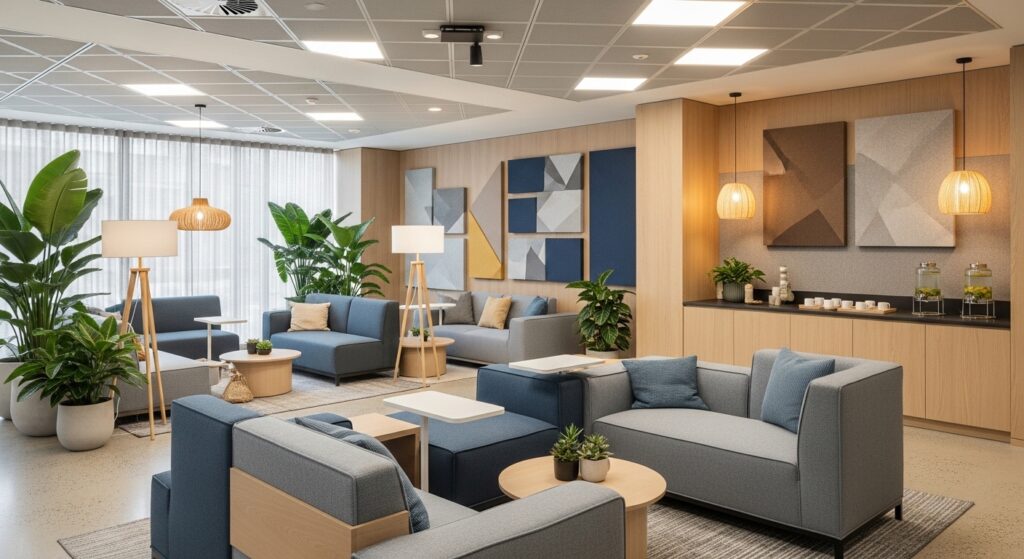
The strongest biophilic offices are not just pretty. They support different ways of working. A quiet focus corner, a comfortable reading chair, a flexible meeting area, and a desk with proper ergonomic support can all fit into the same design direction. Natural elements should help people feel more settled, not just decorate the room.
This also connects with neuroinclusive design. A calmer office with better light, softer sound, and less visual clutter can support more people, including those who are sensitive to noise, glare, movement, or overstimulation. Readers who want to go deeper can visit your post on neuroinclusive office design in 2026.
For home office users, biophilic design also works well with modern technology. A workspace can include AI tools, monitors, docking stations, and productivity devices without looking cold or overloaded. The secret is cable control, better desk depth, natural finishes, and a layout that gives every item a clear place. Your guide on AI-ready home office setup in 2026 is a natural internal link for readers building a more future-ready workspace.
For broader workplace design context, readers can also review Gensler’s Global Workplace Survey 2026, which discusses how the modern workplace is evolving around focus, learning, technology, and wellbeing.
In the end, biophilic office design is not about chasing a Pinterest look. It is about creating a workspace that feels more natural, more comfortable, and more supportive of real work. Start with light, comfort, materials, greenery, and sound. Keep the layout simple. Choose furniture that supports your body and finishes that calm the room. When those pieces work together, the office becomes more than a place to sit. It becomes a space that helps you think, focus, and feel better every day.