
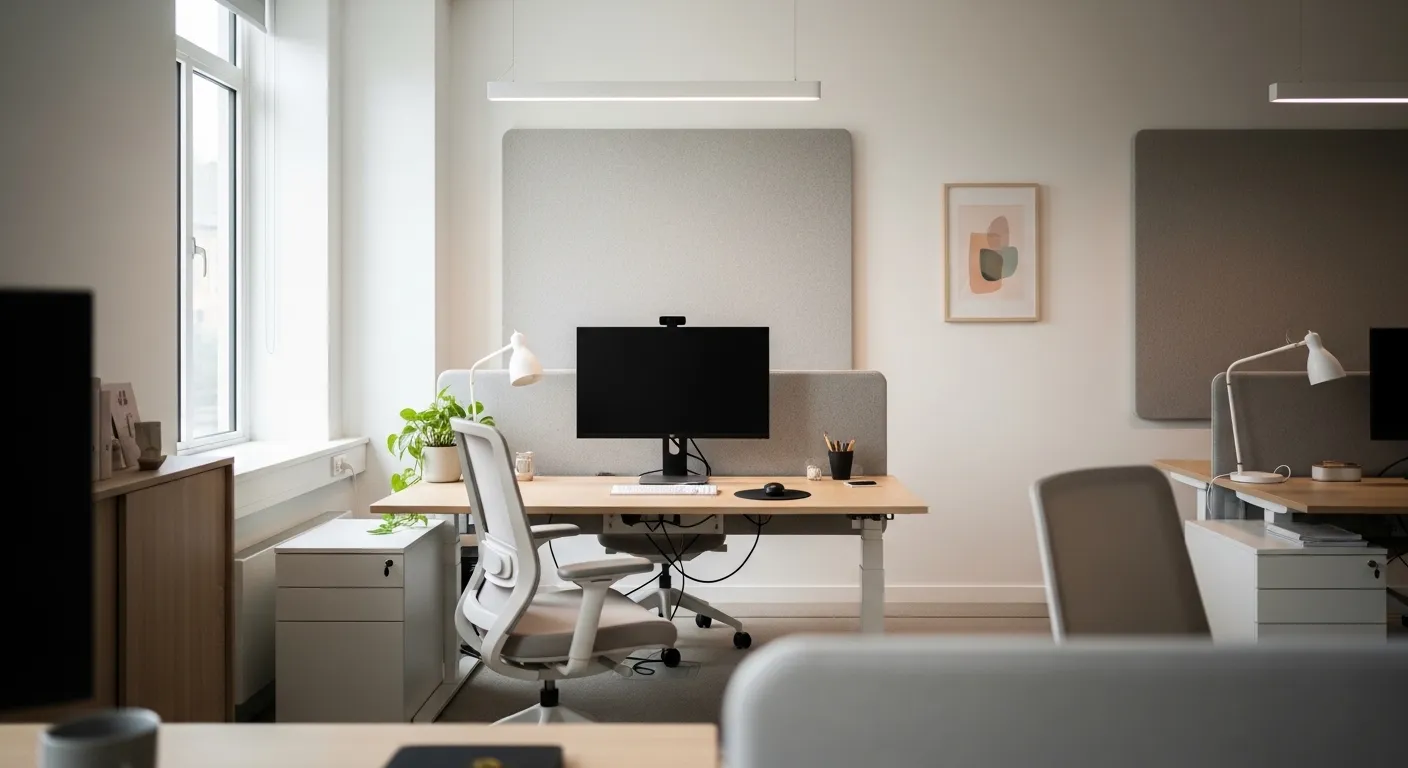
Neuroinclusive office design in 2026 is becoming one of the most practical workplace topics for a simple reason: more people are finally talking honestly about how a space feels, not just how it looks. A beautiful office can still be exhausting. It can feel too bright, too noisy, too open, too cluttered, or too unpredictable. For many workers, that constant sensory friction quietly drains focus, energy, and comfort throughout the day.
This matters in corporate offices, but it matters just as much in home offices and small shared workspaces. A workspace does not need to be clinically perfect to become easier on the brain. In many cases, small design changes make a noticeable difference. Better lighting, calmer layouts, softer sound control, and more thoughtful furniture choices can create an office that feels more usable without forcing a full redesign.
This topic fits naturally with what Compulsive Painball already covers. Your site already has strong related content on AI-Ready Home Office Setup in 2026, Standing Desks vs. Traditional Desks: What’s Better for You?, Office Lighting Tips That Boost Focus and Reduce Fatigue, and Top Office Desk Styles in 2025: Which One Suits You Best?. A neuroinclusive design article gives those posts a stronger 2026 umbrella and adds a more human-centered angle.
Why Neuroinclusive Office Design Is a Bigger Topic in 2026
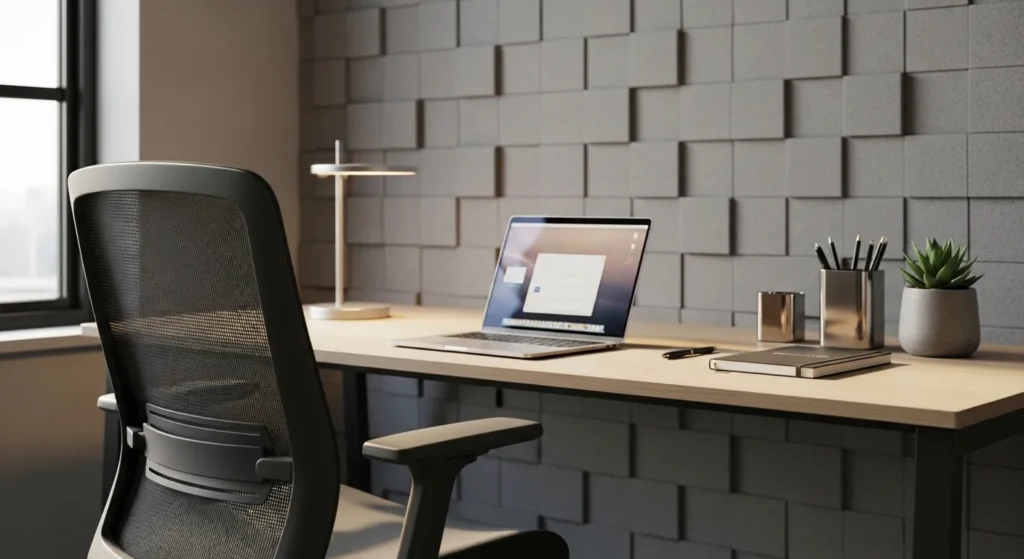
The conversation around workplace design has changed. A few years ago, most office advice focused on productivity, aesthetics, and storage. Those still matter, but they are no longer enough. More teams now understand that workers do not all process light, sound, movement, and visual stimulation in the same way. That does not only apply to people with formal diagnoses. It affects anyone who feels distracted, overstimulated, mentally tired, or unable to settle into deep work in a poorly designed space.
Good design is no longer just about style
For a long time, “good office design” often meant polished finishes, trendy furniture, and a layout that looked modern in photos. However, style alone does not create comfort. An office can still feel draining if it is full of glare, echo, foot traffic, visual clutter, and nowhere to regulate attention. That is why neuroinclusive office design in 2026 matters so much. It asks a more useful question: does this space actually help people think clearly and work well?
Sensory overload can quietly hurt performance
Many people blame themselves when they cannot focus in a workspace. They assume they need more discipline, more coffee, or better time management. Sometimes the real issue is the room itself. Overhead glare, constant background talk, sudden interruptions, and uncomfortable seating can wear down attention without making the problem obvious. When that happens every day, the office starts feeling harder than the work.
Inclusive spaces usually help more than one type of worker
One of the best parts of neuroinclusive design is that it does not only benefit one narrow group. A calmer, more predictable workspace often helps many people. That includes neurodivergent workers, people with migraines, workers dealing with stress, hybrid teams trying to focus, and anyone who simply does better in an environment with fewer sensory demands. In other words, smarter design can support focus more broadly instead of feeling like a special exception.
The biggest problems often come from light, noise, and layout
Most office discomfort comes from a few repeated design mistakes. Lighting is often too harsh or too flat. Noise control is weak. Layouts force everyone into the same environment even when their tasks are different. A person trying to write, analyze, or think deeply may sit a few feet away from constant calls, movement, or chatter. That mismatch creates tension quickly.
This is where your current content becomes very useful. Readers can move naturally from this post into your lighting guide and your standing-desk article because neuroinclusive design is not a separate design universe. It is often the smarter version of choices people are already making. The difference is that now the goal is not just trendiness or posture. The goal is a space that feels less mentally abrasive.
How To Make an Office More Neuroinclusive Without Overspending
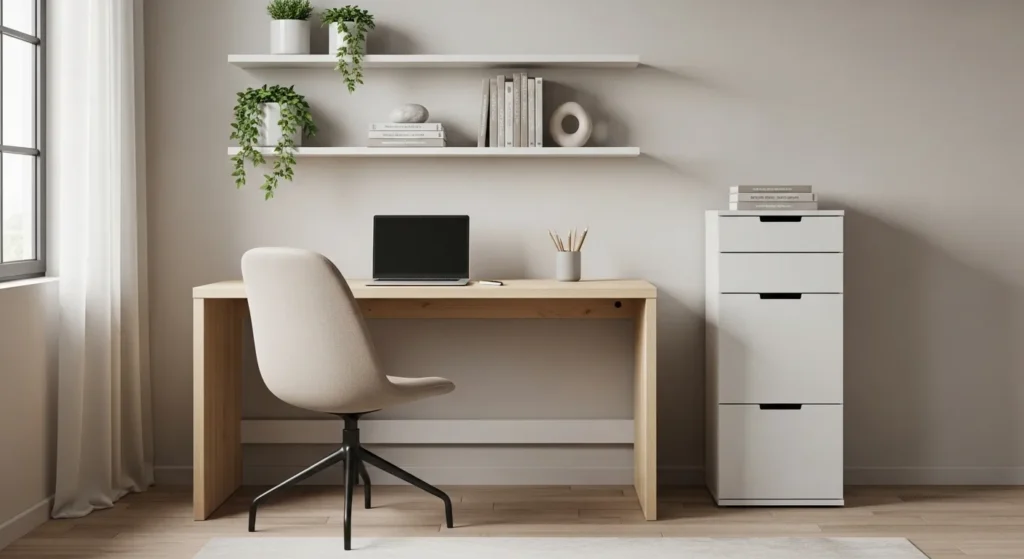
The good news is that most workspaces do not need a complete renovation to improve. A calmer and more usable office often starts with better decisions, not bigger budgets. The smartest upgrades are usually the ones that reduce sensory strain, improve control, and give workers more than one way to use the space.
Start with the changes that reduce the most friction
The first step is not buying random “wellness” accessories. It is noticing what currently feels hard. Does the office echo? Is the lighting too sharp? Does every surface reflect light? Is the desk crowded? Is the chair fatiguing? Do workers have any lower-stimulation zones at all? Once you identify the daily friction points, the improvements become much clearer.
Lighting should support focus, not fight it
Lighting is one of the easiest places to start. Many offices still rely too heavily on bright overhead lighting that creates glare and visual fatigue. A better setup often combines natural light, softer indirect lighting, and task lighting where needed. The point is not to make the room dim. It is to make it easier on the eyes and easier to regulate throughout the day. That is one reason your existing article on office lighting is such a strong internal link here.
Acoustics matter more than most people admit
Noise is another huge issue. If a workspace sounds like a café when someone needs it to feel like a library, focus will suffer. Soft furnishings, rugs, acoustic panels, screens, and small quiet zones can make a bigger difference than people expect. You already have a timely related post on acoustic office solutions in 2026, so this article can work as a strong companion piece that broadens the reason those acoustic changes matter.
Furniture choices shape mental comfort too
Furniture affects more than posture. It affects cognitive ease. A desk that feels too cramped, a chair that creates subtle discomfort, or a layout that traps a person in constant foot traffic can all raise stress. This is why neuroinclusive office design in 2026 is not only about color palettes or sensory buzzwords. It is about practical furniture decisions that help people settle into work more easily.
A good desk should match the task, not just the trend. A supportive chair should reduce strain without forcing the body into constant adjustment. Storage should lower visual clutter, not add to it. For some people, a sit-stand desk adds useful flexibility. For others, a stable seated setup with fewer distractions works better. That is why your desk-style and standing-desk articles link well here. Neuroinclusive design is not about one perfect desk. It is about giving the workspace a better fit for real people.
Home offices deserve the same thinking. In fact, they often improve faster because one person can control more of the environment. Someone working from home can soften lighting, simplify the visual field, reduce noise, and choose furniture that supports longer focus. Your AI-ready home office setup post is a great internal link because many people upgrading for tech and productivity should also think about sensory comfort at the same time.
In the end, neuroinclusive office design in 2026 is such a strong topic because it moves office advice in a more honest direction. Most people do not need a workspace that only looks impressive. They need one that helps them feel steadier, less distracted, and less drained by the end of the day. The best office is not the trendiest room on social media. It is the one that quietly helps people do good work without fighting the space every hour.
That is also why this topic belongs on Compulsive Painball right now. Your blog already covers ergonomics, lighting, desks, acoustics, and home office setup. This article ties all of that together under a 2026 trend that feels both current and useful. Instead of chasing another generic design post, it gives readers a better lens for every future workspace decision they make.
For an external authority link, use Gensler’s Neurodiversity in the Workplace: Why the Experience Gap Matters. It is highly relevant because it directly addresses sensory experience, focus, and wellbeing in today’s workplace design conversation.